Who Owns Your Pet Food Brand — And Why It Matters
Pet food is big business. A surprisingly small number of companies control most of the brands you see in pet store aisles. In fact, six major companies dominate nearly 90% of U.S. pet food sales. Knowing who owns these brands can help you make informed decisions about what you feed your dog or cat.
The Six Largest Pet Food Companies in the U.S.
- Mars Petcare
Part of the Mars, Inc. family, Mars Petcare owns over 40 pet food brands, including: Evo, Cesar, Eukanuba, IAMS, Nutro, Pedigree, and Royal Canin. They also acquired Orijen and Acana through Champion Petfoods. Mars is unique in that it also operates veterinary clinics and hospitals through Banfield, VCA, and BluePearl which may influence the pet food recommendation from your vet.
- Nestlé Purina PetCare
Nestlé Purina owns over 30 brands, including Merrick, Alpo, Beneful, Beyond, Castor & Pollux, Fancy Feast, Friskies, Purina ONE, Pro Plan, and Zuke’s.
- J.M. Smucker Company
J.M. Smucker entered the pet food market in 2015 with the acquisition of Big Heart Pet Brands. Today, they own brands such as 9Lives, Gravy Train, Kibbles ’n Bits, Meow Mix, Milk-Bone, Milo’s Kitchen, and Rachael Ray Nutrish.
- Hill’s Pet Nutrition
Hill’s, owned by Colgate-Palmolive, markets itself as science-based nutrition through veterinarians, with brands like Science Diet and Prescription Diet. However, many consumers are misled about quality. The ingredients are highly processed, and the label “Prescription Diet” doesn’t always mean the food is superior. Pet parents should look beyond marketing and check ingredients and sourcing before assuming it’s a premium option.
- Diamond Pet Foods
Diamond is a major co-packer and manufacturer, producing dry and wet foods for multiple brands. Their own brands include Diamond Naturals, Nutra-Gold, and Taste of the Wild. Because Diamond manufactures for many companies, recalls can affect multiple brands at once.
- Blue Buffalo / General Mills
Blue Buffalo, now owned by General Mills, is marketed as a premium, natural pet food brand. They offer a wide range of formulas, including life stage-specific foods, grain-free options, and specialized diets for different health needs.
Understanding Co-Packing
Many pet food companies do not manufacture their own products. Instead, they use co-packers, which produce, bag, label, and ship the food. This explains why a recall from one manufacturer can affect multiple seemingly unrelated brands. Understanding who actually produces your pet’s food is key to knowing its quality and safety.
What’s Really in Your Pet’s Food?
Looking at the front of a bag doesn’t tell you much about what’s inside. Labels rarely disclose the origin, quality, or processing methods of ingredients, and those details matter far more than marketing claims.
For example, there is a significant difference between chickens raised in small, crowded conditions and fed low-quality feed versus free-range chickens raised on wholesome diets with access to the outdoors. Both may legally be labeled as “chicken,” but the nutritional quality and overall health of the animal can be very different.
Processing also plays a role. Some pet foods rely on mechanically separated or heavily processed meat, which can include lower-quality parts of the animal and result in reduced nutritional value. Higher-quality foods use whole, minimally processed meat, retaining more of the natural nutrients your pet needs to thrive.
While pet food is regulated, not all approved ingredients are equal in quality. Understanding how ingredients are sourced and processed helps pet parents make better choices — especially when long-term health and wellness are the goal.
Why Smaller, Independent Brands Matter
Smaller, independently owned brands often have more control over ingredient sourcing, production practices, and quality assurance. Many also emphasize:
- Holistic, natural ingredients
- Environmentally conscious sourcing
- Humane treatment of animals
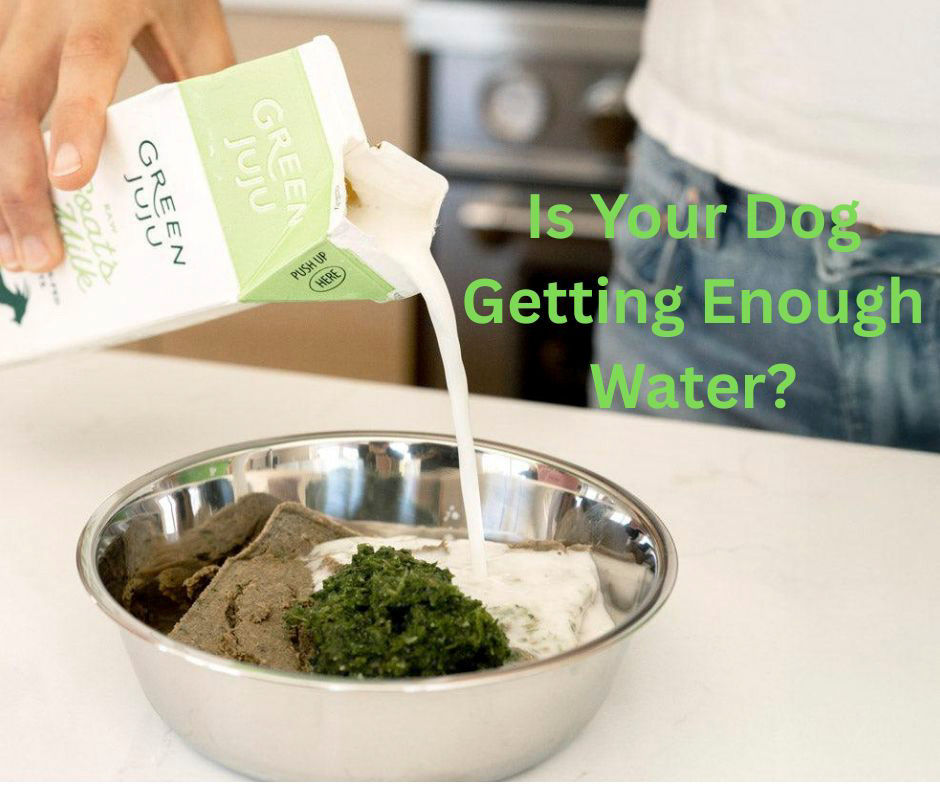
Brands like Nature’s Logic, Ziwi, SmallBatch, Steve’s, and Green JuJu are examples of smaller companies that focus on whole-food, minimally processed pet diets.
Many brands that began in independent pet stores — such as Stella & Chewy’s — have grown into national brands and are now available in big-box retailers. While these companies still focus on high-quality ingredients, scaling up production usually means changes in ingredient sourcing, processing methods, or the use of co-packers to meet nationwide demand. Expansion doesn’t automatically reduce quality, but it’s important for pet parents to research whether a brand maintains transparency and rigorous standards as it grows. Being informed about how and where your pet’s food is produced ensures you can continue making the best choices for their health.
Your dog or cat depends on you to make informed decisions about what goes in their bowl. Learning who owns your pet food brand, understanding co-packing, and researching ingredient sourcing are critical steps toward providing a safe, nutritious diet.
When it comes to pet food, knowledge is health — and every choice you make matters to your pet’s wellbeing.