Healthy Dogs, Healthy Budgets: Ways to Save on Pet Care
We all know that prices are rising on just about everything. Many families are taking a closer look at their budgets and searching for ways to reduce expenses. If you have dogs, costs such as food, grooming, veterinary care, and preventative health products can add up. Fortunately, there are many ways to reduce costs without compromising your dog's nutrition, health, or quality of life.
Food is often one of the largest ongoing expenses of dog ownership. While choosing a cheaper food may save money upfront, lower-quality nutrition can contribute to digestive issues, skin problems, weight gain, and other health concerns that may increase veterinary costs over time. The goal is to save money without sacrificing nutrition.
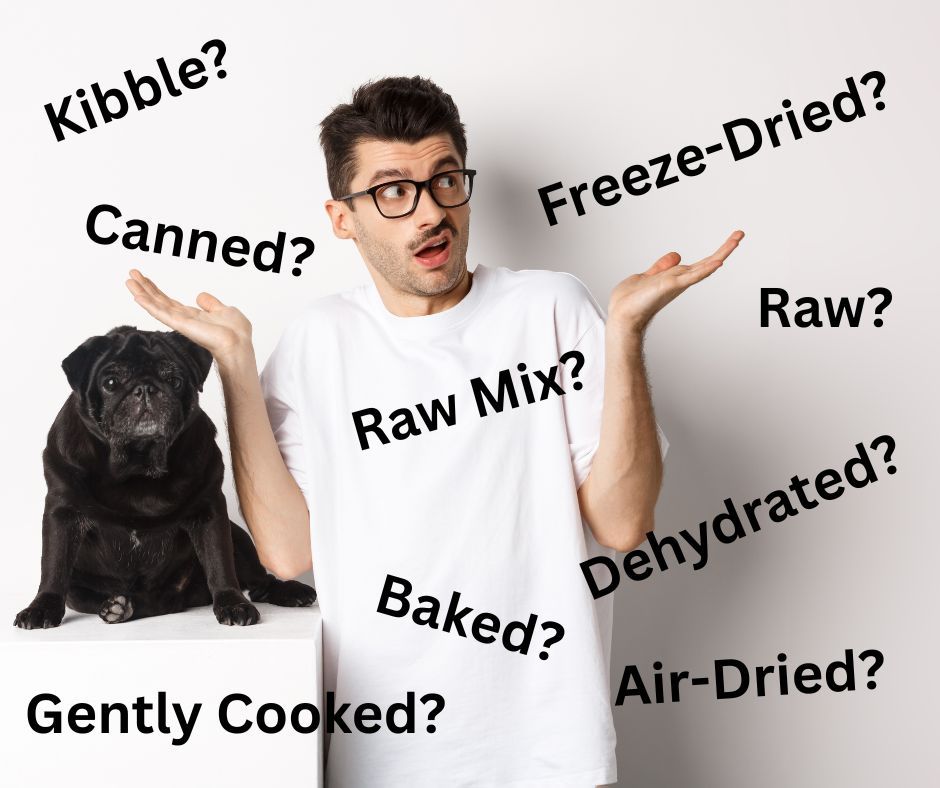
Dry dog food is typically the most affordable feeding option, but quality varies significantly between brands. Fresh, raw, or freeze-dried options are less processed and are popular choices for pet owners looking for nutrient-dense diets. If a raw or gently cooked diet is not possible, choose the highest-quality kibble you can afford and enhance it with nutritious additions.
Budget-Friendly Ways to Improve Kibble
- Add nutrient-rich toppers. Freeze-dried organ meats, supplements, or raw goat's milk can add beneficial nutrients, probiotics, and enzymes to your dog's diet.
- Include fresh “people” foods such as lightly steamed vegetables (broccoli, carrots, green beans, spinach), fruits like blueberries and bananas, eggs (cooked or raw), and lean meats such as chicken or turkey.
- Healthy fats such as salmon oil, krill oil, and Omega-3 fatty acids from sardines support skin, coat, brain, and joint health.
- Measure food carefully. It's easy to accidentally overfeed when portions aren't measured.
- Store food properly. Buying a larger bag may seem like a way to save money, but kibble loses freshness after opening. Store food in its original bag in a cool, dry location and buy only what your dog can use within about six weeks. Food stored for long periods or exposed to heat may lose freshness and nutrient quality.
- Take advantage of loyalty programs. Many pet food manufacturers and retailers offer frequent buyer programs. For example, brands such as Nature's Logic, Smallbatch, and Steve's offer "buy 12, get 1 free" loyalty programs.
- Compare prices. Don't assume online retailers or big-box stores always offer the best deal. Independent pet stores often have lower prices than online, will price match and honor coupons while providing knowledgeable advice to help you choose the right food for your pet's needs and budget. Supporting local businesses also helps strengthen your community.
Other ways to save money
- DIY Dog Washing and Grooming. Many dog owners have learned to handle their dog's grooming needs themselves. If your dog requires professional grooming, consider bathing your dog yourself between appointments and learning how to trim your dog’s nails. DIY dog washes make this easy and convenient, especially for large dogs.
- Focus on preventative care. Routine wellness exams and preventative care can help identify small issues before they become major health concerns. Work with your veterinarian to determine which vaccinations, screenings, and preventative treatments are appropriate.
- Maintain a healthy weight.
Obesity contributes to many costly health conditions, including arthritis, diabetes, heart disease, and mobility problems. Feeding proper portions, providing regular exercise, and limiting excess treats can help prevent unnecessary veterinary expenses later. - Practice good dental care.Regular tooth brushing and safe chewing options can help reduce plaque and tartar buildup. Kibble does not clean teeth, and the carbohydrates in dry food may contribute to dental issues. Raw diets and appropriate raw bones are often used to support dental health naturally. Good dental care can help prevent painful dental disease and costly procedures.
Saving money on pet care doesn't have to mean sacrificing your dog's health. Choosing quality nutrition, feeding appropriate portions, maintaining a healthy weight, grooming regularly, and providing preventative care can help reduce expenses while improving your dog's quality of life. A little knowledge and planning can go a long way toward keeping both your dog and your wallet healthy.